




Medical
Made for patients, made for health professionals
Medical systems continue to evolve, leading to more accurate diagnosis and treatment.
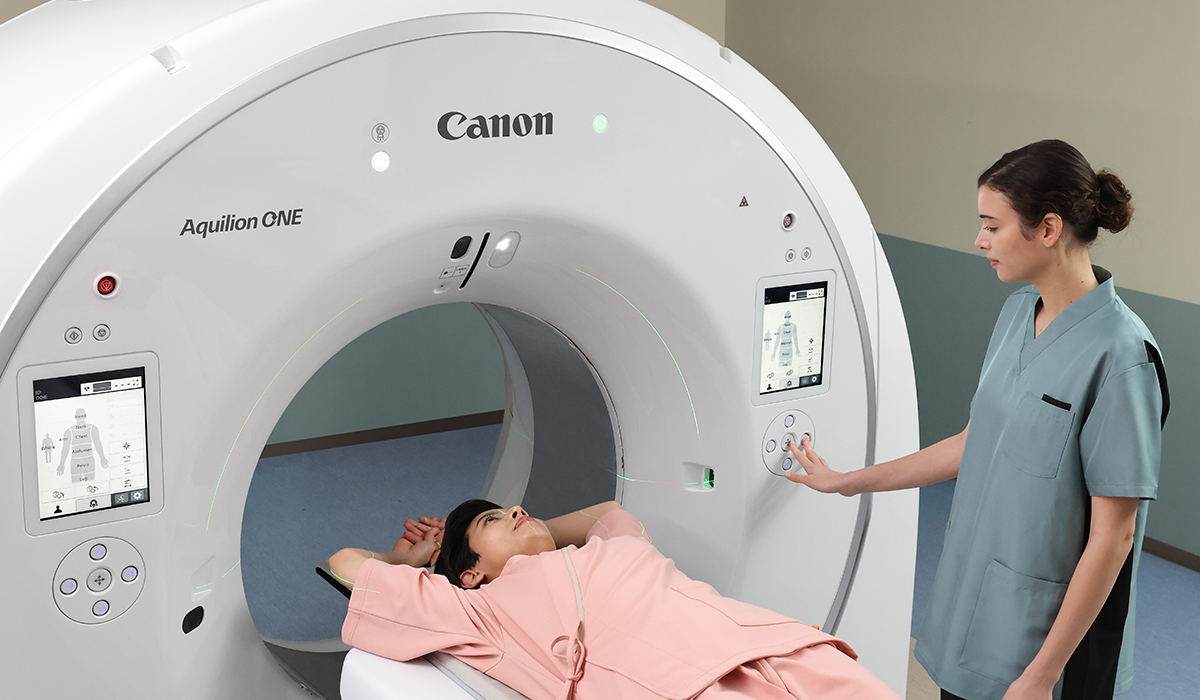
Combining high image quality with low exposure doses to support rapid and accurate diagnosis
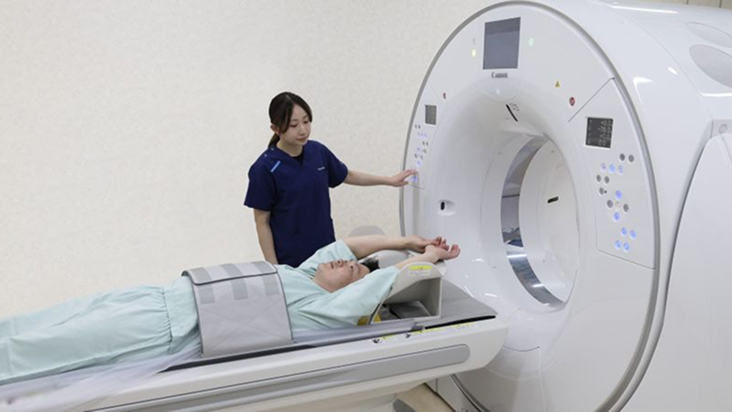
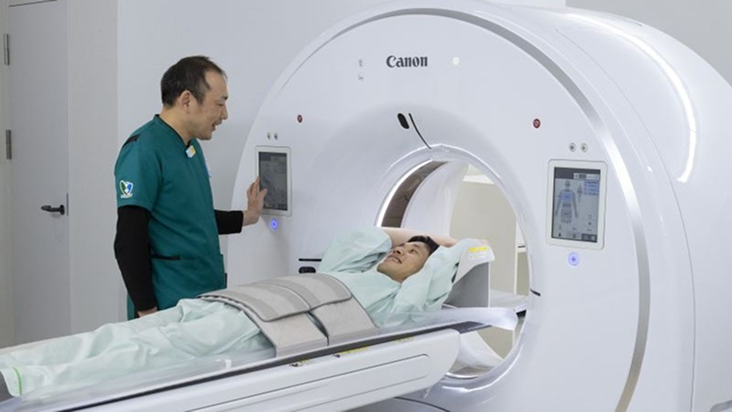
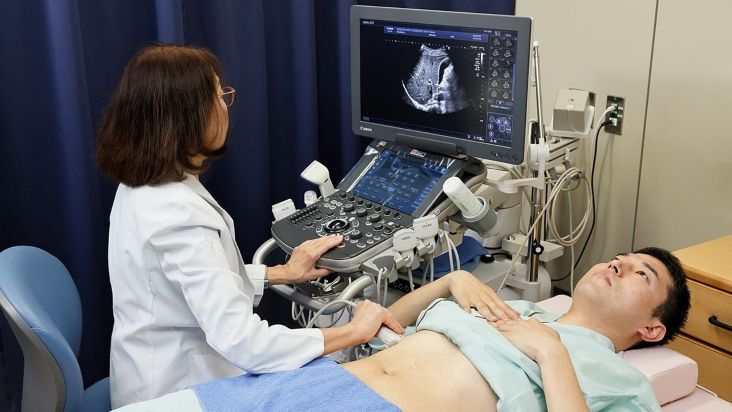
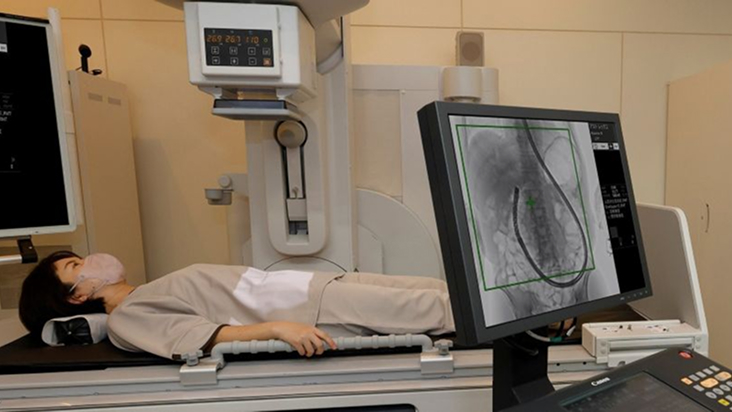
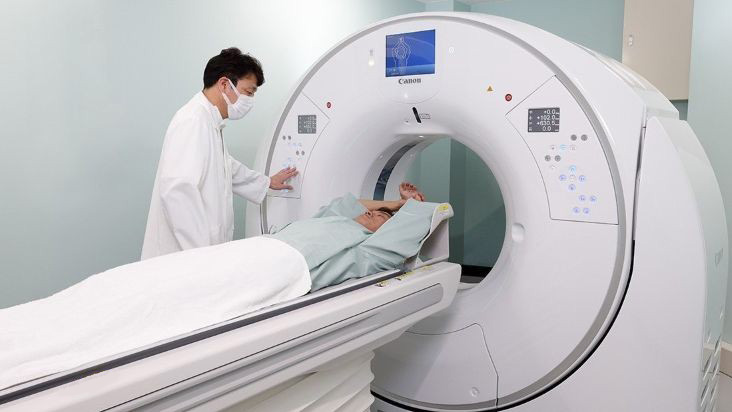
Diagnostic imaging plays a key role in modern healthcare. Canon continues to improve the quality of clinical images (X-ray CT, MRI, ultrasound, etc.) which are essential for accurate diagnosis. By leveraging deep learning* technologies to reduce image noise, we have achieved great advances in image quality based on high-resolution image data acquired over many years. In diagnostic modalities involving X-rays, these advances help to reduce both the scan time and exposure dose, minimizing the burden on patients. We also conduct joint research with leading medical institutions and universities around the world to promote the clinical implementation of the next-generation of CT technology, photon-counting CT.
- * Deep learning is used in the design stage. The system does not have self-learning capabilities.
Healthcare IT reducing the burden on healthcare professionals
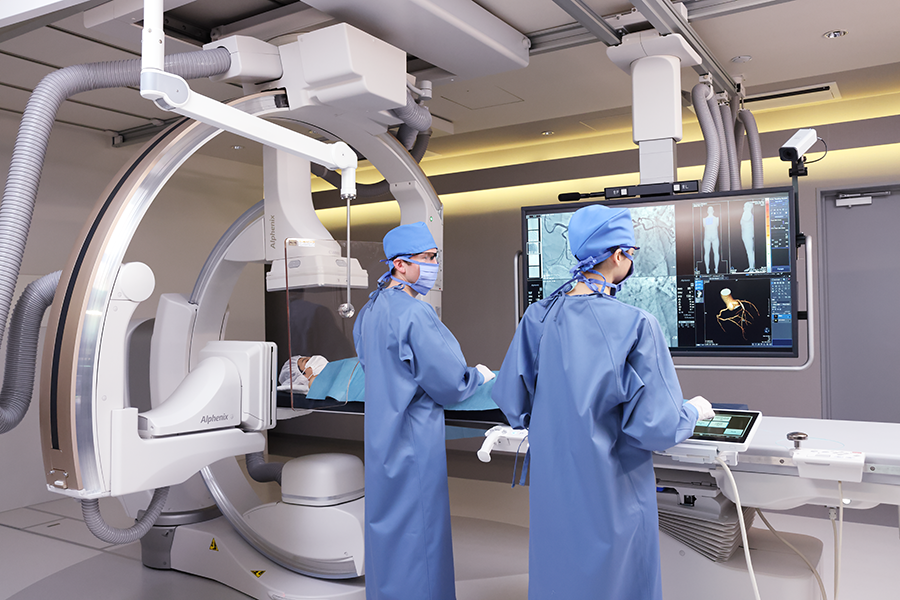
The increasing number of examinations and the improving capabilities of diagnostic imaging systems have led to an explosion in the amount of image data. This places a greater burden on physicians, who need more time to interpret such large amounts of data. Canon's deep learning* technology can analyze a huge amount of clinical image data and quickly display the clinical findings, including bone metastases and intracerebral hemorrhage or ischemia, leading to faster clinical decision-making. Canon is also focusing on the digital transformation of healthcare to reduce the burden on medical staff by displaying integrated timelines of patients' diagnostic images, treatment history, and vital signs such as body temperature, blood pressure, and so on.
- * Deep learning is used in the design stage. The system does not have self-learning capabilities.
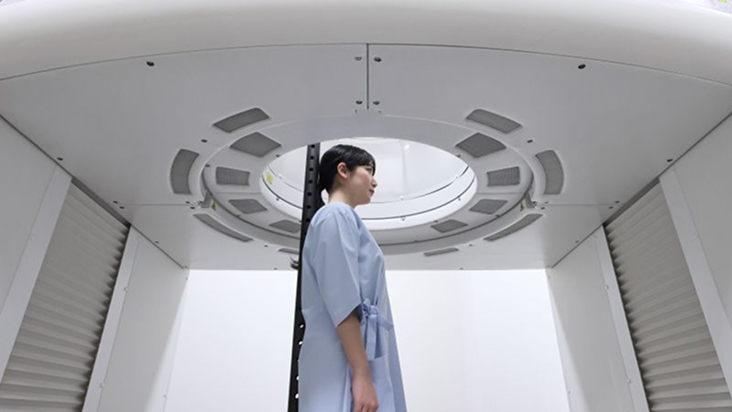
Introduction of the world's first1 whole-body multiposition CT2 for scanning patients in the standing or sitting position
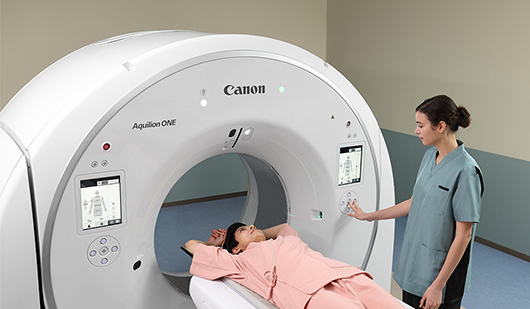
CT scans are usually performed with the patient in the supine position. Based on joint research with Keio University School of Medicine, Canon has introduced a whole-body multiposition CT system that can scan patients in the supine, standing, and sitting positions. This not only reduces the burden on patients, but also allows the early detection and evaluation of conditions that are affected by weight-loading, helping to improve patients' quality of life (QOL).
- 1 First whole-body CT scanner capable of multiposition scanning (as of April 2, 2025, based on research by Canon)
- 2 General term for a CT system that can scan patients in three positions: supine, standing, and sitting
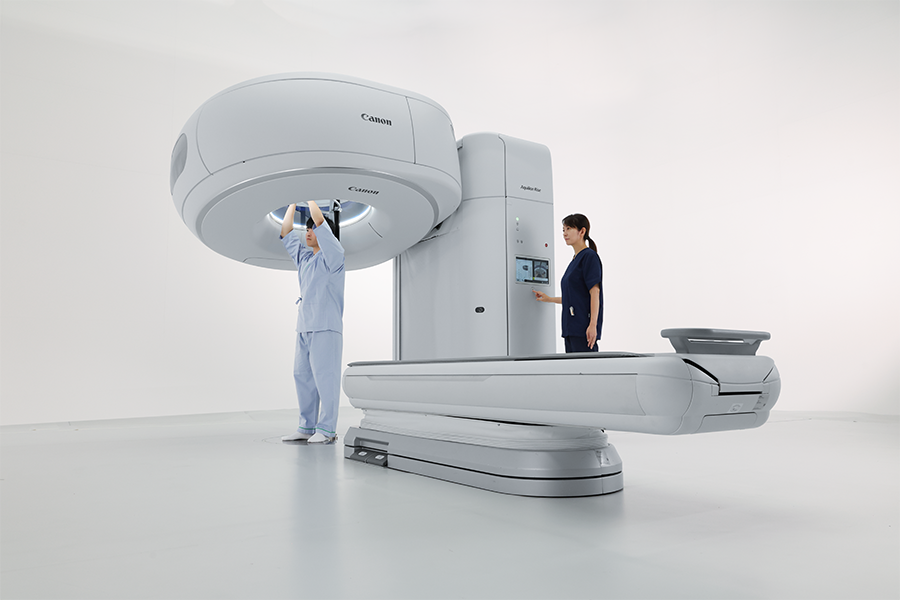
Society realized by Medical Business
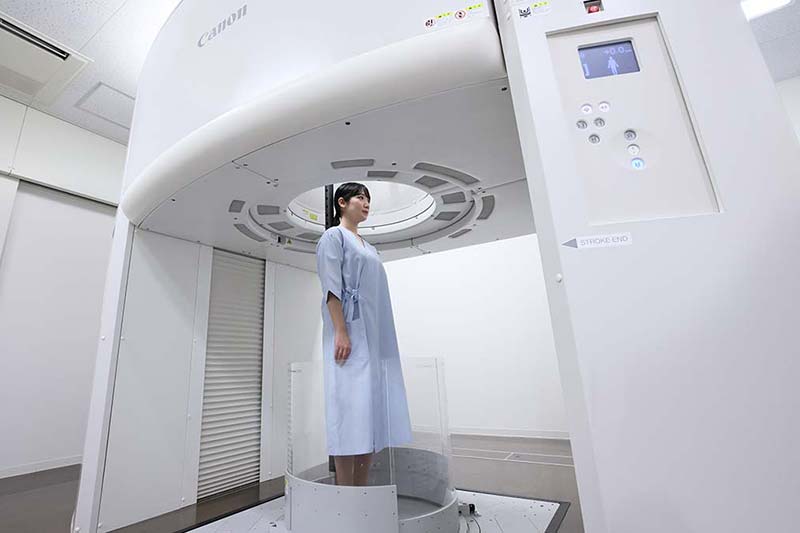
Keio University and Canon Medical Systems have developed Upright CT that may help identify undiagnosed pains occurring only under weight loading while standing and shorten the examination time.
Learn more
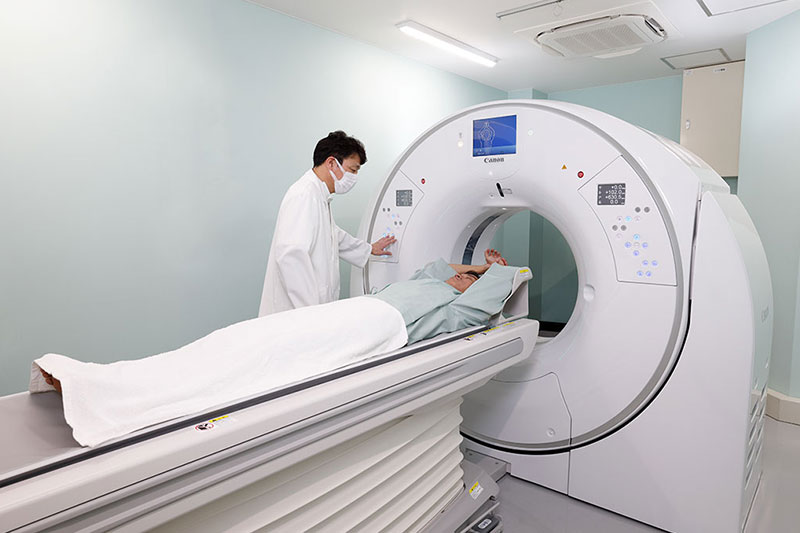
Photon-counting CT, which generates greater detailed images with less image noise, is attracting attention as the next generation of CT. Canon will work together with medical institutions around the world to verify PCCT.
Learn more
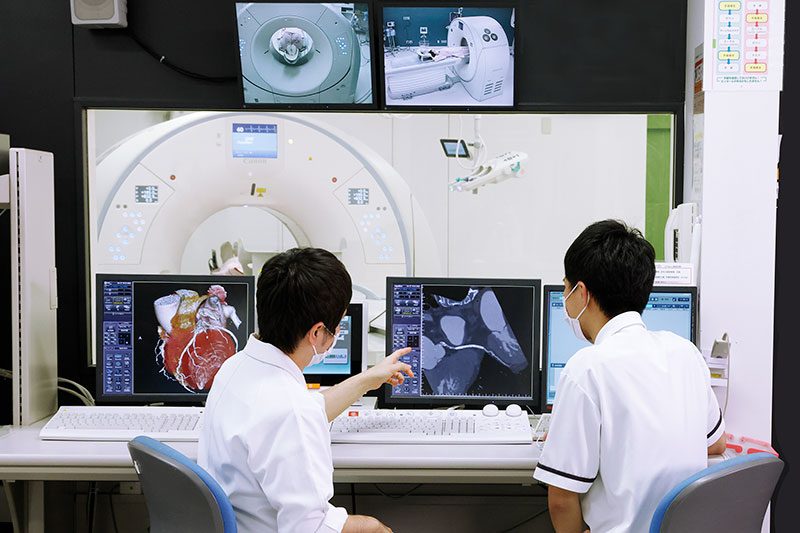
Joint development with medical facilities such as Fujita Health University Hospital, which has the largest number of hospital beds in Japan, realize practical use of super-high-resolution, deep-learning reconstruction technology and open up new possibilities for cardiac CT scanning.
Learn more
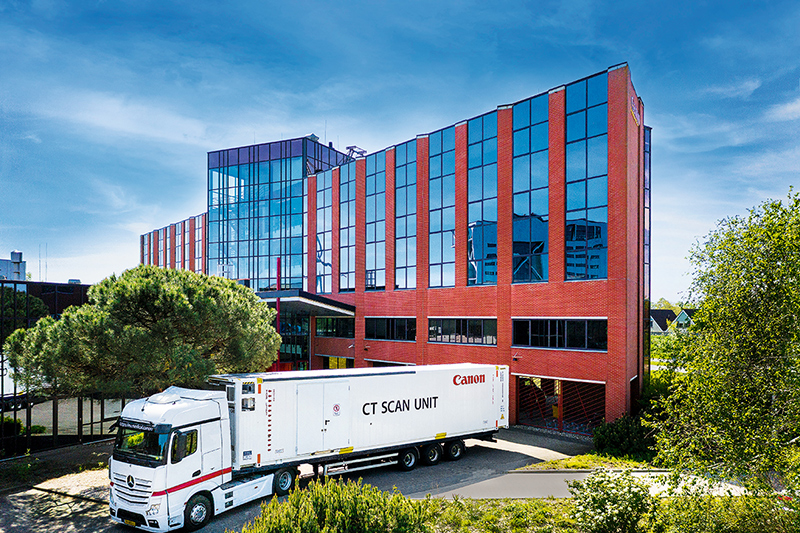
These mobile medical trailer CT systems, equipped with high-spec CT systems that support diagnostics with high image quality and low radiation doses, are used around the world.
Learn more
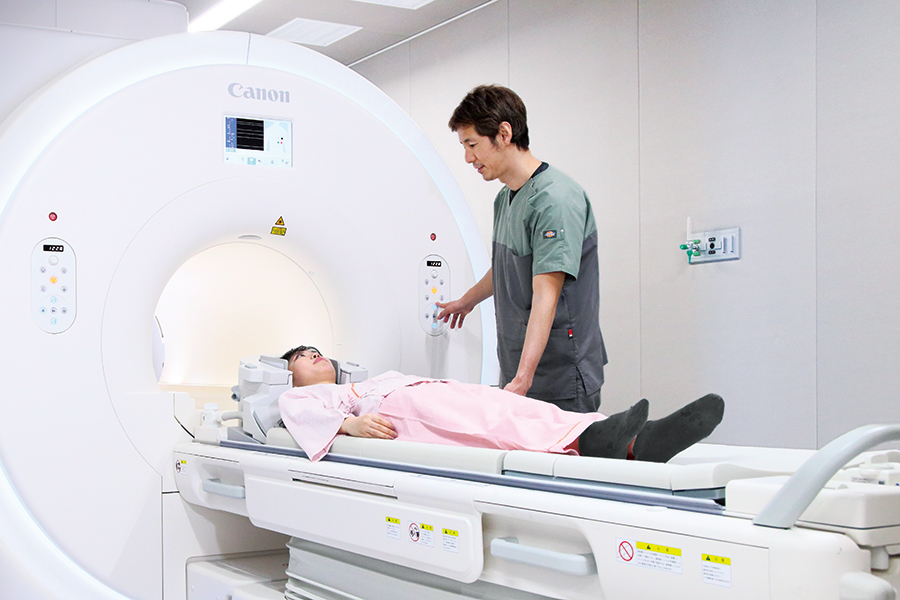
At Saitama City Hospital, which recently relocated to a new building, Canon's two MRIs greatly reduce the burden on patients thanks to a wide examination space, extremely quiet operation, and high-resolution CT imaging.
Learn more
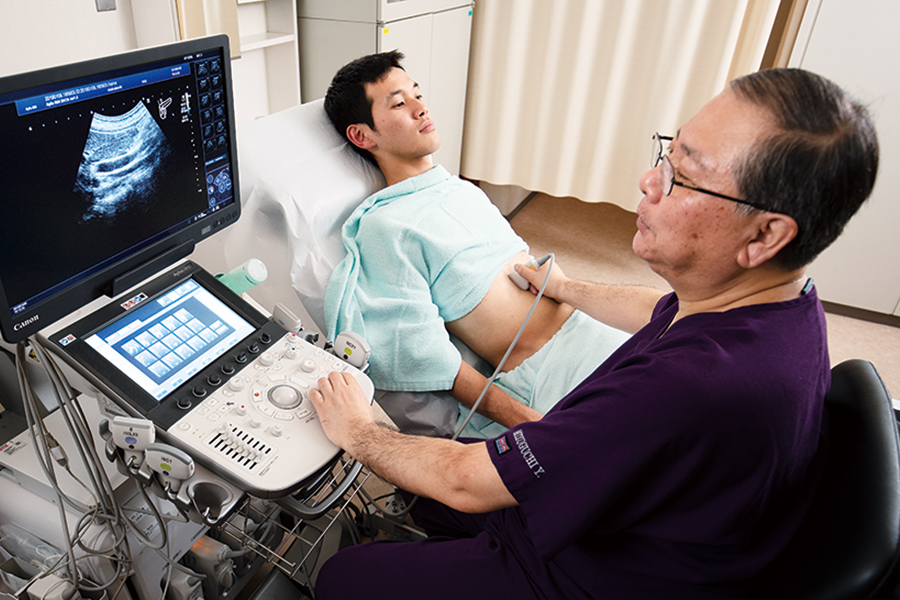
At the National Cancer Center Japan, the exposure-free diagnostic ultrasound system contributes to the early detection of cancer and the improvement of treatment accuracy.
Learn more