
The Environmental Approaches and Initiatives of Four Business Groups
Initiatives of the Imaging Group
At the Imaging Group, our imaging technologies have long led the camera and video industries, and we use them to contribute to the realization of a sustainable society, as outlined by the Sustainable Development Goals. Our network camera business, for example, goes beyond simple recording and monitoring; instead, by using data obtained from video as information, we contribute to the creation of safe and secure sustainable cities, where we can properly understand and respond even to remote occurrences and situations.
We are also helping to build a platform for industrial and technological innovation by means of imaging DX; this includes setting AI to work on high-resolution images to detect cracks in tunnels, as well as providing various automation solutions for production sites. In addition, we are making steady headway in reducing our environmental impact, such as by quantitatively measuring our CO2 emissions reductions, and by eliminating plastics from our camera and lens packaging materials.
Goals
Decarbonization (reducing CO2 emissions)
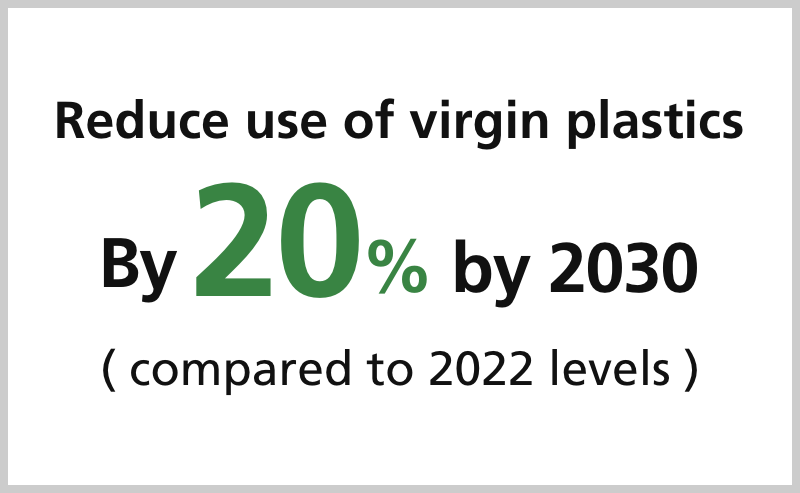
We aim to reduce the use of petroleum-derived virgin plastics in our products (excluding packaging materials) by 20% by 2030 compared to 2022 levels. To this end, we intend to develop smaller, lighter products, and promote the use of recycled plastics.
Resource Efficiency
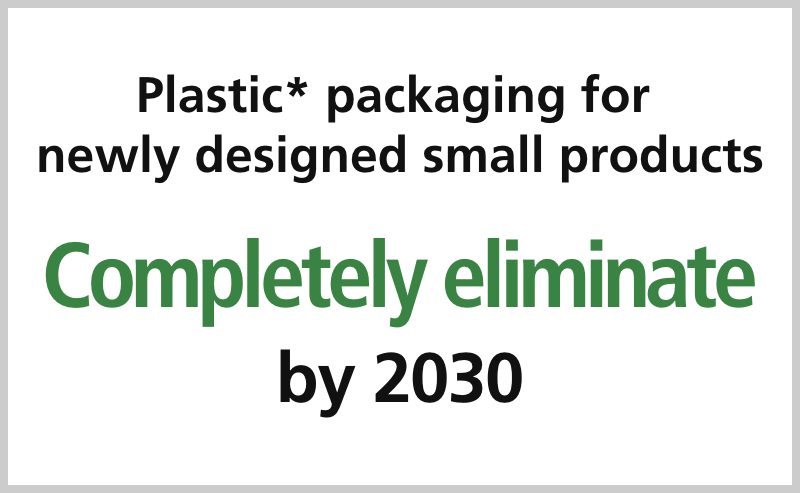
We aim to completely eliminate the use of single-use plastics* in our packaging materials for all newly designed small products by 2030.
- * This refers to petroleum-derived plastics, and excludes the raw materials used for labels, coatings, and adhesives
Beginning with the launch of the PowerShot V10 in 2023, we have eliminated the use of plastic packaging in 33 products, including the EOS R6 Mark III, and accessories such as the RF45mm F1.2 STM (correct for products announced up to November 30, 2025)
Strategy
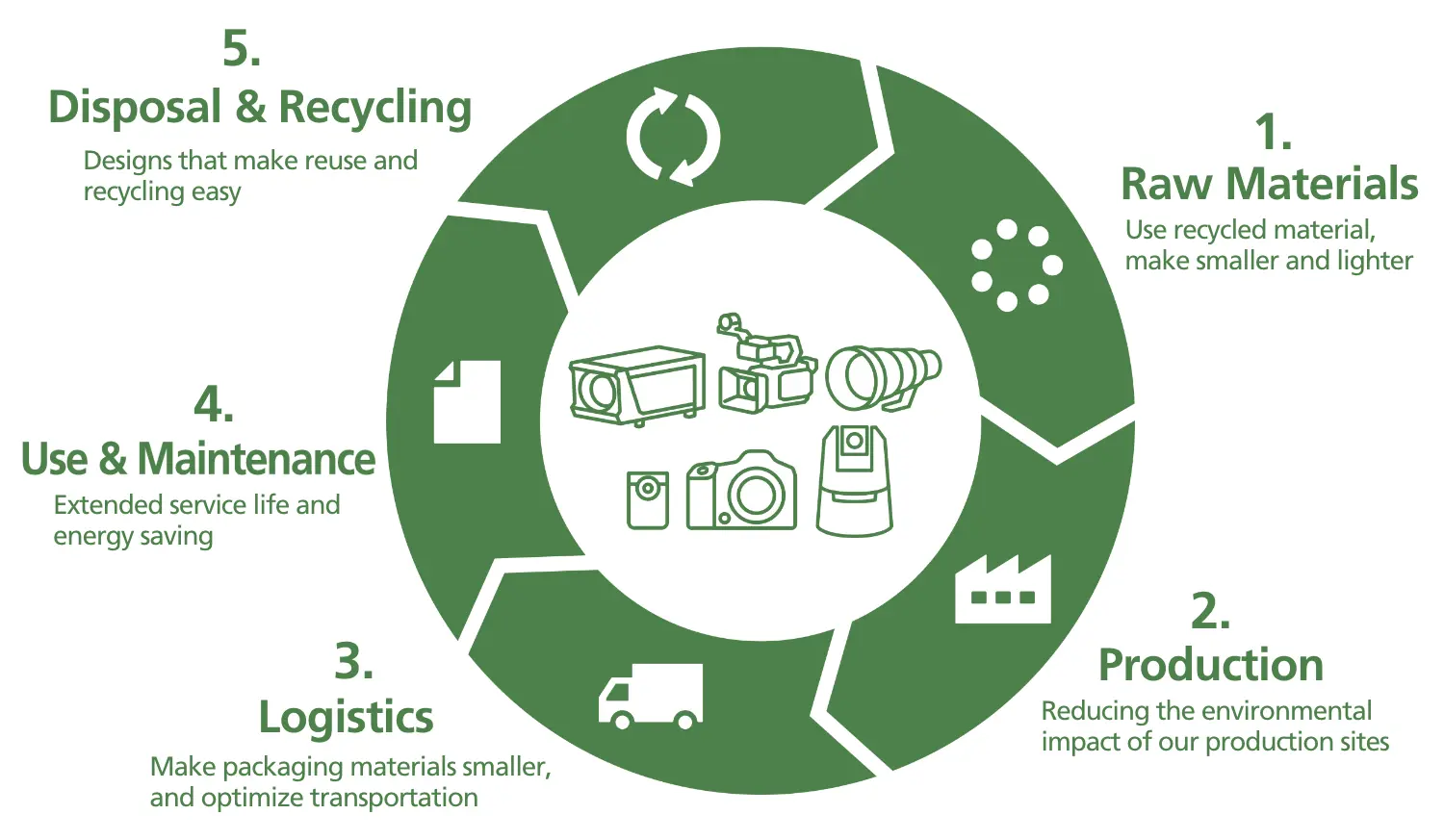
- Reduce raw materials CO2 emissions by using fewer resources and virgin plastics
- Reduce the use of single-use plastic packaging materials
- Help reduce societal infrastructure CO2 emissions through our imaging products
Measures
1. Measures for raw materials
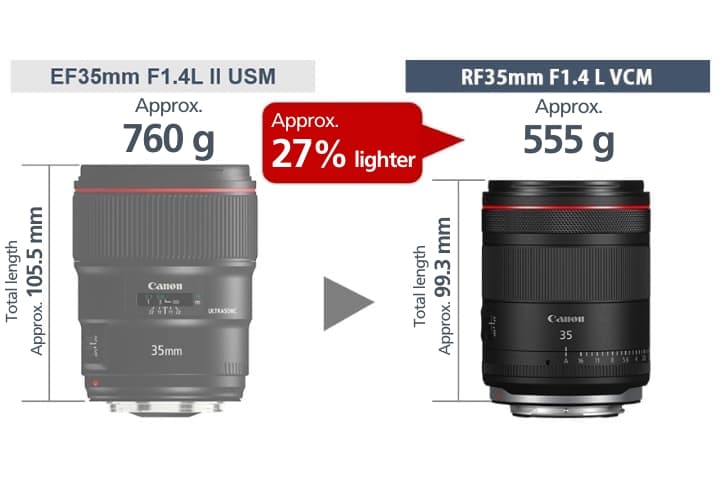
We are developing smaller, lighter products. The RF35mm F1.4 L VCM, for example, is approximately 27% lighter than its predecessor, the EF35mm F1.4 II USM.
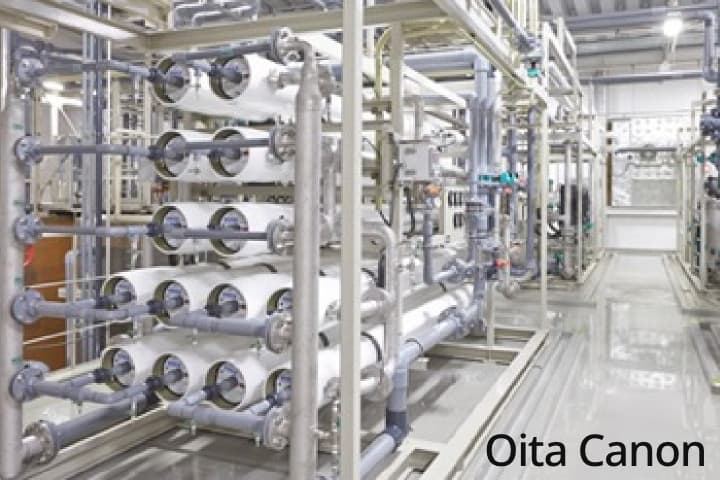
2. Measures for production - Utilization of Wastewater Recycling Systems
At the Utsunomiya Plant and Oita Canon, we have implemented a "closed recycling" approach to reuse water within the plant after it has been used once. At Oita Canon, a closed wastewater treatment system utilizing active carbon adsorption and ion exchange enables 100% recycling and reuse of water within the plant, excluding domestic wastewater.
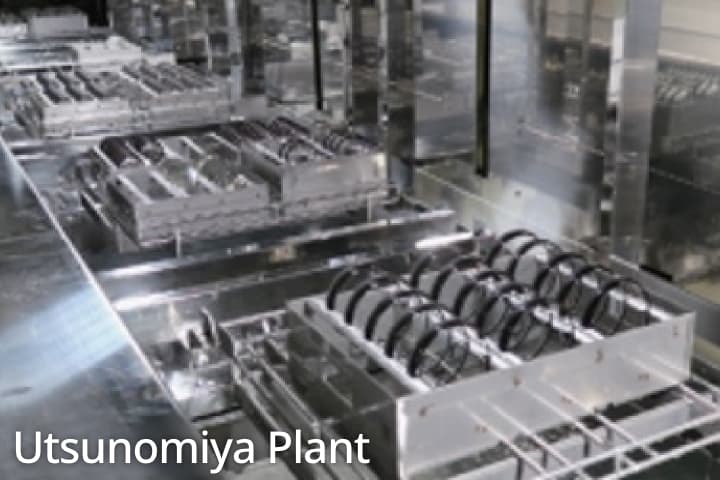
2. Measures for production - Activities to Reduce Water and Waste Fluid
At the Utsunomiya Plant, starting in 2024, and at Canon Opto Malaysia, starting in 2025, we have introduced water-saving devices to reduce water usage and waste fluid generated during lens cleaning and polishing processes.
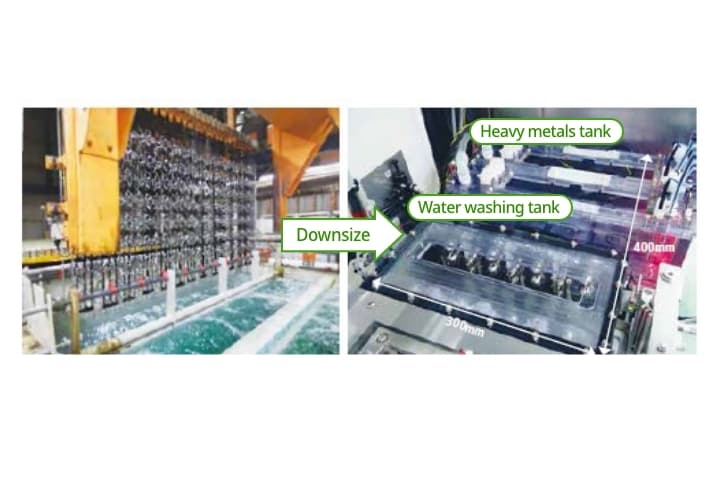
2. Measures for production - Resource-Saving Activities in Production
At Oita Canon, we have downsized heavy metals automation equipment to one-150th of the size of conventional large-scale systems. This initiative reduces the amount of chemicals and water used, while maximizing resource productivity in the production process.
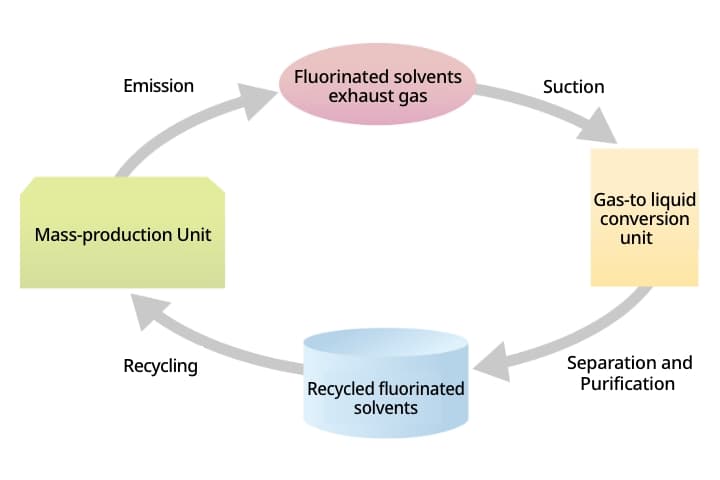
2. Measures for production - Fluorinated Solvents Collection Activities
At Oita Canon, we have introduced a system for efficient collection and reuse of gas emitted from fluorinated solvents (HFE) used in lens cleaning. This initiative helps reduce greenhouse gas emissions while promoting resource conservation of fluorinated solvents.
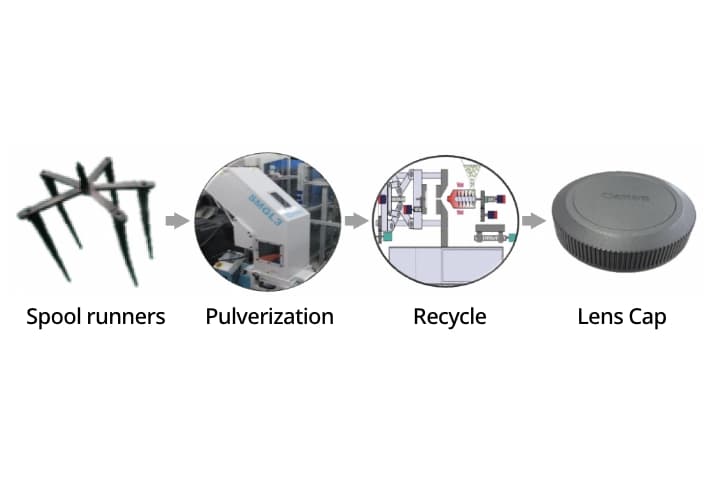
2. Measures for production - Resource-Saving Activities in Production
At Canon Inc., Taiwan, as we have crushed spool runners generated during the injection molding of lens caps and reused them as materials, we reduce the use of virgin plastic.

5. Measures for disposal and recycling
We are reducing use of plastics in our product packaging materials. For smaller products such as the PowerShot V10 and RF-S10-18mm F4.5-6.3 IS STM, we have eliminated the use of plastics* in our packaging materials entirely.
- * This refers to petroleum-derived plastics, and excludes the raw materials used for labels, coatings, and adhesives
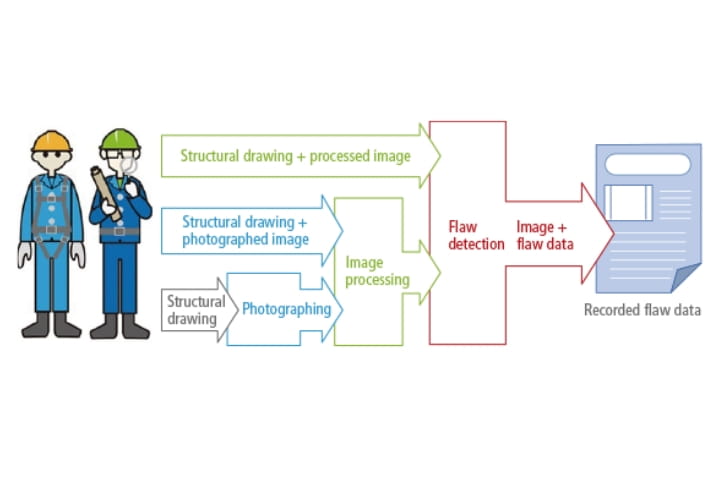
Contributing to Society by Reducing CO2 Emissions
The use of Inspection EYE for Infrastructure and other imaging technology solutions reduces the need to move people and heavy machinery, and thereby contributes to reductions in CO2 emissions.